Crypto news report · source clearly identified
BIP‑110 Fork Token BTCB2 Shows Volatile Trading on Neoxa Exchange Amid High‑Risk Warnings
The BIP‑110 forked token BTCB2 began trading on the little‑known Neoxa Exchange at roughly $80, but thin order books and public cautions have led to sharp price swings and concerns over the platform’s reliability.
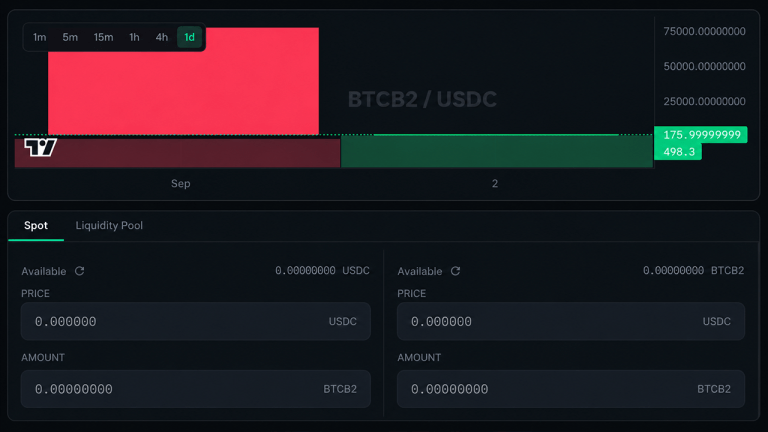
The minority fork that split from Bitcoin in early August 2026, known as BIP‑110, launched its own token, BTCB2, on the Neoxa Exchange. Initial listings showed the coin trading around $80 per token against USDC.
Thin Liquidity and Wide Spreads
Neoxa’s order books for BTCB2 are extremely shallow. Within hours of listing, the ask price jumped from $80 to $130, and later to $176, while bid activity remained minimal. The 24‑hour trading volume on the BTCB2/USDC pair was reported at roughly $94,100, and the BTCB2/BTC market saw about $19,300 in trades.
Community Concerns and Exchange Reputation
Reddit users in r/cryptocurrency described Neoxa as a “scam” and warned others against depositing funds. A representative from Neoxa, posting in a Discord community, said the exchange had not received any support tickets related to the complaints and invited users to open a ticket if they experienced losses.
Official Warnings from BIP‑110 Advocates
The site bitcoinbip110.org issued a public service announcement urging users to exercise caution when dealing with Neoxa, labeling the platform as “high‑risk” and unverified. Influencers were asked to stop amplifying unverified prices for BTCB2.
Potential Delisting
A Neoxa associate named Andy posted on Discord that the exchange might delist BTCB2 following the criticism, offering users time to withdraw their holdings.
Overall, BTCB2’s market activity remains highly volatile, and users are advised to consider the lack of liquidity and the numerous warnings before trading the token.
Source & attribution
News Source
- Publisher
- Bitcoin.com News
- Original date
- September 2, 2026, 8:44 PM
- Original headline
- BIP-110 Fork Price Stutters as ‘High-Risk’ Exchange Warnings Spread