Crypto news report · source clearly identified
Bitcoin Faces October 18 Test Amid New U.S. Russia Tariffs
A U.S. law signed by President Trump starts a 30‑day clock to set tariffs on Russian energy imports, creating a potential macro shock that could affect Bitcoin through energy prices, inflation expectations and financial conditions.
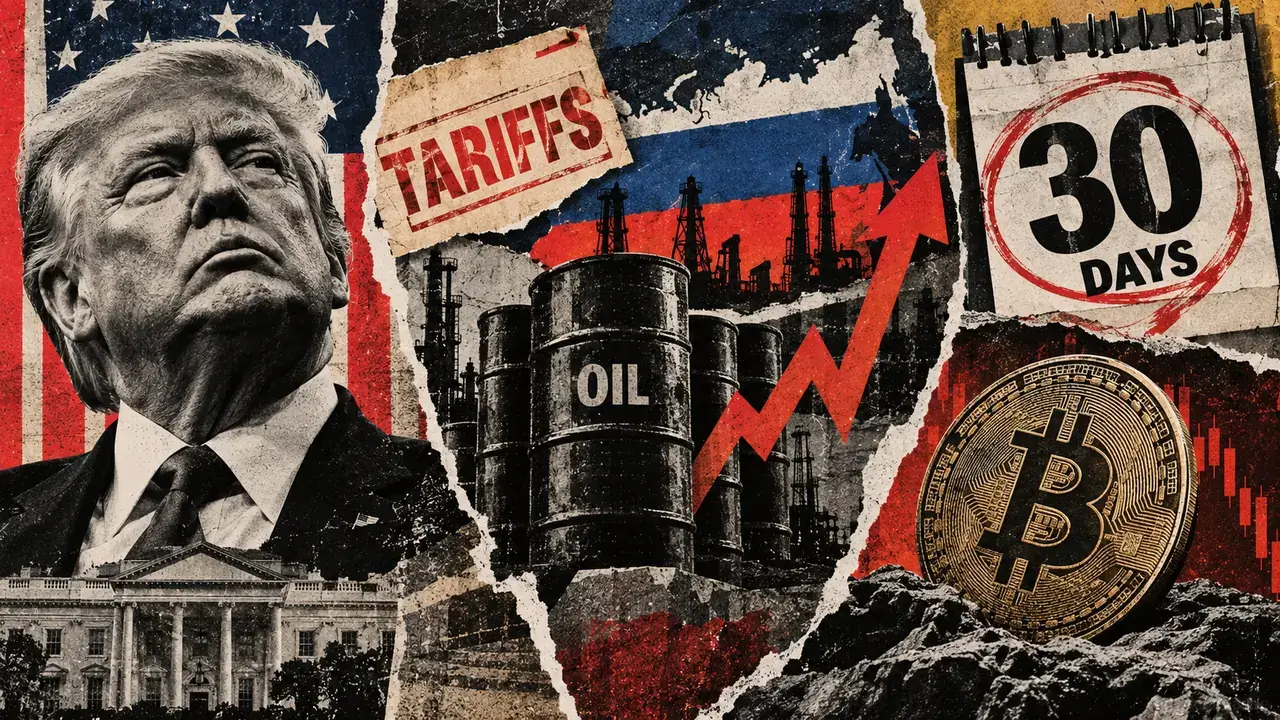
President Donald Trump signed H.R. 5334 on September 18, launching a 30‑day period for the administration to decide on tariffs that could disrupt Russian energy trade. The law sets October 18 as the deadline for the first set of decisions, making it a key date for Bitcoin traders watching macro‑economic impacts.
Key Provisions of the Sanctions Law
- Tariffs on all Russian goods imported into the U.S., including oil, natural gas and petroleum products, may be set up to 500%.
- A separate clause allows tariffs up to 100% on goods exported to the U.S. by the five largest buyers of Russian crude or gas, and on the five largest facilitators of Russian oil sanctions evasion.
- The law does not name the targeted countries or prescribe a minimum rate, leaving implementation details to the administration.
- At least ten days before imposing or changing duties under the third‑country provision, the President or U.S. Trade Representative must provide a written justification to six congressional committees.
- Exceptions and waivers are included for certain natural‑gas purchases and for actions deemed to serve U.S. national interests.
Transmission Channels to Bitcoin
Energy prices are the primary link. Large tariffs on countries that continue buying Russian crude or gas could shift trade flows, influencing global oil and gas prices. Higher energy costs can feed into broader inflation, which may affect Federal Reserve policy, Treasury yields, the dollar and ultimately the cost of capital for risk assets such as Bitcoin.
Monetary‑policy backdrop
The Fed recently raised its benchmark rate to a range of 3.75%–4% and signaled continued restrictive policy to bring inflation back to 2%. Prolonged energy‑price shocks could raise inflation expectations, limit the Fed’s ability to ease, and push yields higher, all of which have historically weighed on crypto prices.
Signals for Traders
- Congressional notices indicating which countries are targeted and the likely tariff rates.
- Movements in oil and gas prices that reflect the impact of the tariffs on energy markets.
- Changes in Treasury yields, inflation expectations and the dollar that signal broader monetary‑condition effects.
A modest implementation with waivers and stable energy markets would likely limit any impact on Bitcoin. Conversely, aggressive tariffs on major energy buyers combined with sustained pressure on oil or gas could tighten financial conditions and constrain Bitcoin’s price momentum.
Source & attribution
News Source
- Publisher
- CryptoSlate
- Original date
- September 19, 2026, 1:20 PM
- Original headline
- Bitcoin faces an October 18 test as Trump prepares new Russia tariffs