Crypto news report · source clearly identified
Iran Tolerates Crypto for Export Payments Amid U.S. Sanctions
Iran’s central bank is reportedly allowing exporters to use cryptocurrencies such as USDT and Bitcoin for cross‑border payments as traditional banking channels remain constrained by U.S. sanctions.
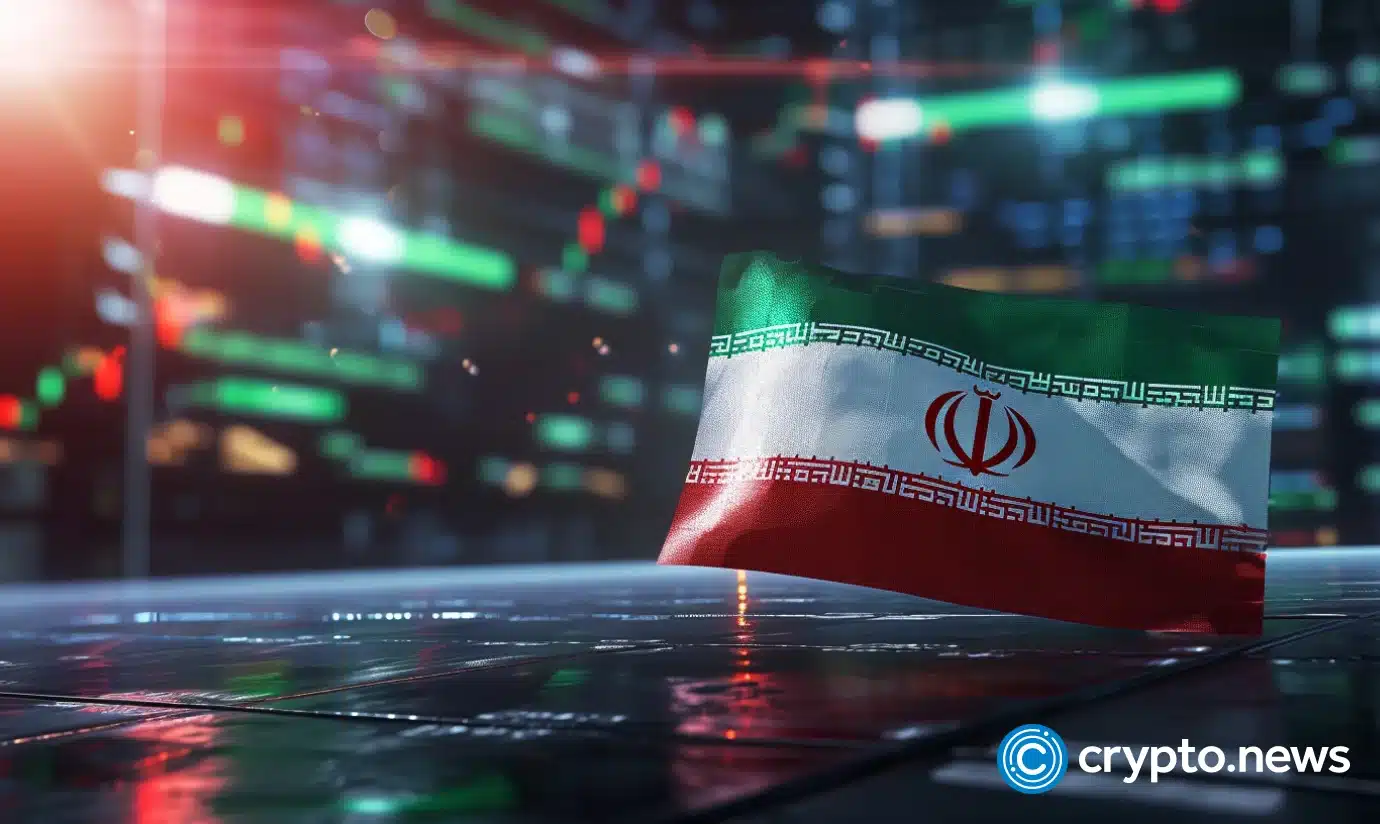
Iran’s central bank is reportedly easing foreign‑exchange controls and tolerating the use of digital assets for export settlements. The shift aims to give Iranian exporters alternatives to conventional banking channels that are limited by U.S. sanctions.
Preferred Digital Assets
Businesses most commonly use USDT, the Tether stablecoin, for cross‑border commercial payments. Bitcoin and other digital assets are also employed, with USDT accounting for the largest share of crypto‑based export receipts.
Scale of Activity
Research firm TRM Labs attributes roughly $9.9 billion of cryptocurrency volume to Iran in 2025, a slight decline from $11.4 billion recorded in 2024. The volume includes both inbound and outbound transactions linked to Iranian services and entities.
Operational Changes
- Exporters can repatriate overseas funds through domestic crypto exchanges.
- Companies may convert foreign currency on open markets or use crypto proceeds directly to purchase imports.
- These practices reduce reliance on Iran’s official foreign‑exchange system, which historically offered lower exchange rates.
Sanctions Risks
U.S. sanctions continue to target Iranian digital‑asset exchanges, and foreign counterparties may face penalties for facilitating prohibited transactions. In April 2026, Tether froze $344 million of USDT linked to Iranian wallets, demonstrating that stablecoin issuers can block assets.
Key Exchanges
Four Iranian exchanges—Nobitex, Wallex, Bitpin and Ramzinex—handled about $7.7 billion (78 %) of the country’s attributed crypto volume in 2025, according to TRM Labs. Nobitex alone processed more than half of the inflows.
Uncertainty and Outlook
The reported tolerance is described as an enforcement shift rather than a formal policy. No official directive has been published, leaving exporters without clear legal certainty. Future developments will depend on whether the central bank formalizes the approach or issues specific licensing rules.
Source & attribution
News Source
- Publisher
- crypto.news
- Original date
- September 9, 2026, 6:13 AM
- Original headline
- Iran turns to crypto for export payments amid sanctions: FT