Crypto news report · source clearly identified
Treasury Flags Nearly $13 Billion Tied to Overseas Crypto Scams
FinCEN identified about $12.7 billion in reported activity linked to transnational crypto investment scams, most of which moved proceeds in USDT stablecoins.
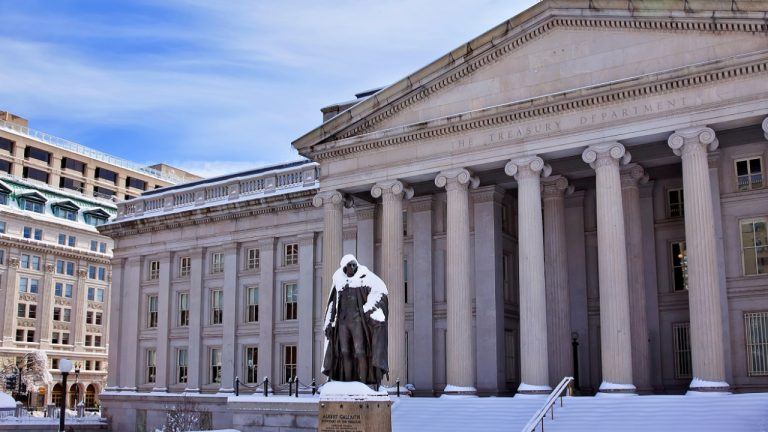
The U.S. Treasury’s Financial Crimes Enforcement Network (FinCEN) released an alert showing that roughly $12.7 billion in financial activity is tied to suspected digital‑asset investment scams run from overseas.
Scope of the investigation
FinCEN examined 33,904 Bank Secrecy Act reports filed between September 8 2023 and December 31 2025. The reports involve individuals in all 50 states and several U.S. territories.
How the scams operate
Criminal groups, primarily based in Southeast Asia, use fake identities and social‑engineering tactics to lure victims. They create fraudulent websites and apps that mimic legitimate investment services, promise unrealistic returns, and pressure targets to transfer funds.
- Operators obtain phishing tools, account‑creation services, and laundering assistance from online “guarantee marketplaces.”
- Professional money launderers set up shell companies and financial accounts, move money through networks of money mules, and route proceeds to crypto exchanges outside the United States.
- Blockchain analysis shows that nearly all scam proceeds end up in stablecoins, almost exclusively USDT.
Enforcement actions
Federal authorities have seized more than $580 million in cryptocurrency linked to these Southeast Asian scam centers and have conducted international operations resulting in hundreds of arrests and the dismantling of multiple scam facilities.
Guidance for financial institutions
FinCEN urges banks and other institutions to monitor transactions involving suspected scam operators, money mules, shell companies, and guarantee marketplaces. The agency recommends using the term “FIN-2026-SCAMCENTERS” in related suspicious activity reports and encourages voluntary information sharing under Section 314(b) of the USA PATRIOT Act.
Advice for potential victims
Common red flags include unsolicited messages, promises of unusually high returns, requests to use unfamiliar investment platforms, and demands for extra fees before withdrawals. Victims should contact their financial institution immediately and report incidents to the FBI’s Internet Crime Complaint Center or the nearest U.S. Secret Service field office.
Source & attribution
News Source
- Publisher
- Bitcoin.com News
- Original date
- September 4, 2026, 1:20 AM
- Original headline
- Treasury Flags Nearly $13 Billion Tied to Overseas Crypto Scams