Hacks & Security
Bearish
Hackers steal millions from wallet users via fake push alerts
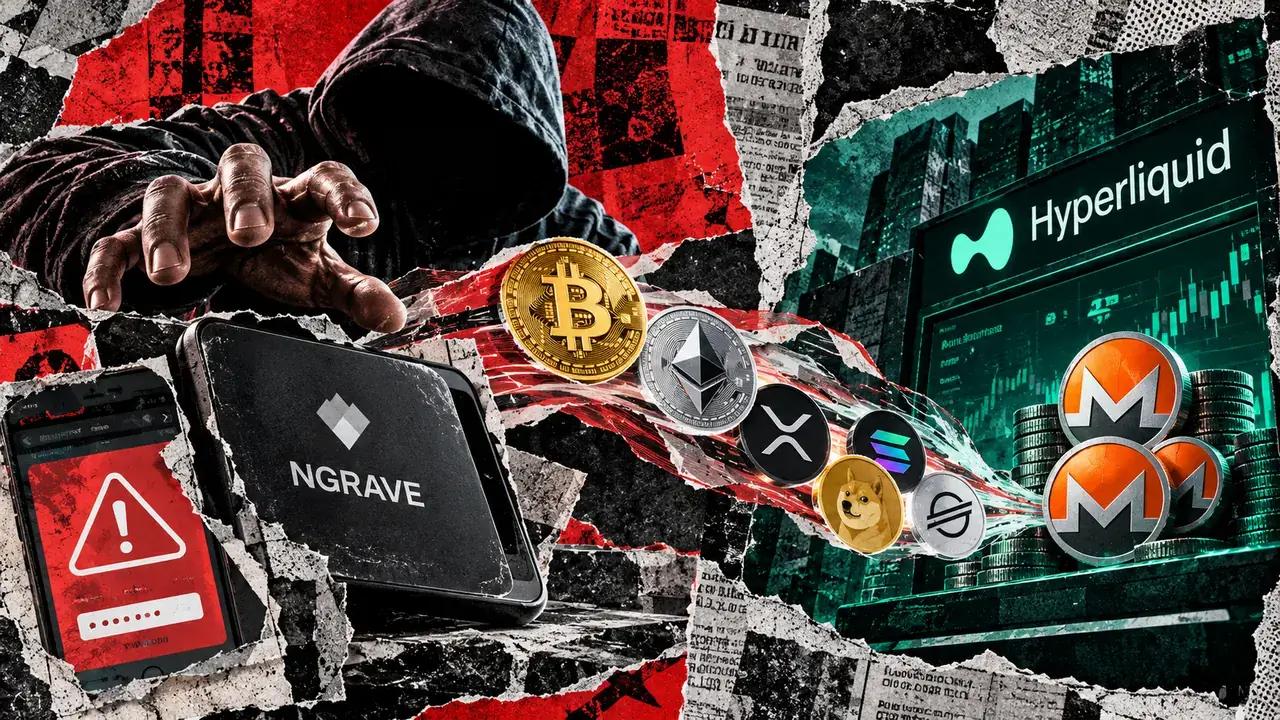 Image: CryptoSlate
Attackers drained millions in cryptocurrency after hijacking a third-party notification service used by hardware wallet maker NGRAVE. Fraudulent push alerts sent through the LIQUID companion app directed users to a fake website where recovery phrases were entered. NGRAVE confirmed the security breach on October 19. The hardware devices themselves remained offline and secure during the incident.
Key points
- Attackers hijacked a third-party notification provider used to send LIQUID app alerts.
- Fraudulent push alerts directed users to a fake website resembling official pages.
- Victims handed over recovery phrases by entering them on the malicious website.
- NGRAVE published an incident report detailing the security breach on October 19.
Why it matters
The security incident highlights ongoing risks involving trusted communication channels and third-party software services tied to digital asset storage.
What's unclear
The exact total stolen differs between reports, with estimates ranging around $2.56 million and approximately $2.65 million.
Sources · 2 publishers
Bitcoinist
Tier 2
NGRAVE Details $2.56 Million Phishing Attack That Used Fake Wallet Alerts
Coverage timeline
- First reported by CryptoSlate
- Also reported by Bitcoinist
- CryptoVideos brief published
How this page is checked. AI drafted this brief from selected independent reports. Automated checks compare numbers, source coverage and topic terms, but may miss errors. Publication and evidence refreshes run automatically. Read the linked reports for context. Report an error