Regulators warn quantum network upgrades could slow blockchains and raise fees
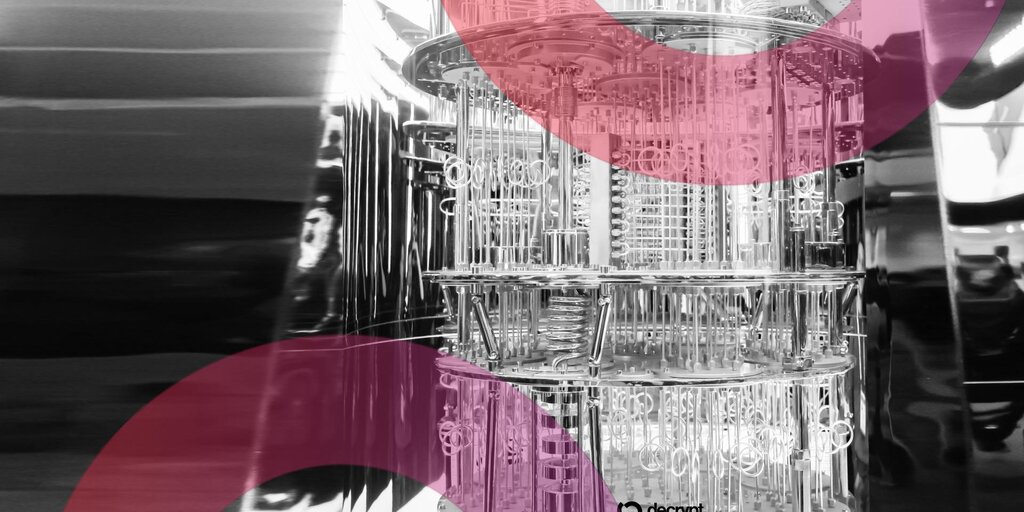 Image: Decrypt
Quantum computing upgrades could slow down blockchains, increase network congestion, and raise fees. The International Organization of Securities Commissions warned that post-quantum digital signatures take up much more space than current keys. A Solana test network ran about 90 percent slower when using quantum-resistant signatures. Dormant wallets and applications relying on older keys could also remain vulnerable even after networks upgrade.
Key points
- IOSCO warned that upgrading blockchains to withstand quantum attacks could slow transactions and raise fees.
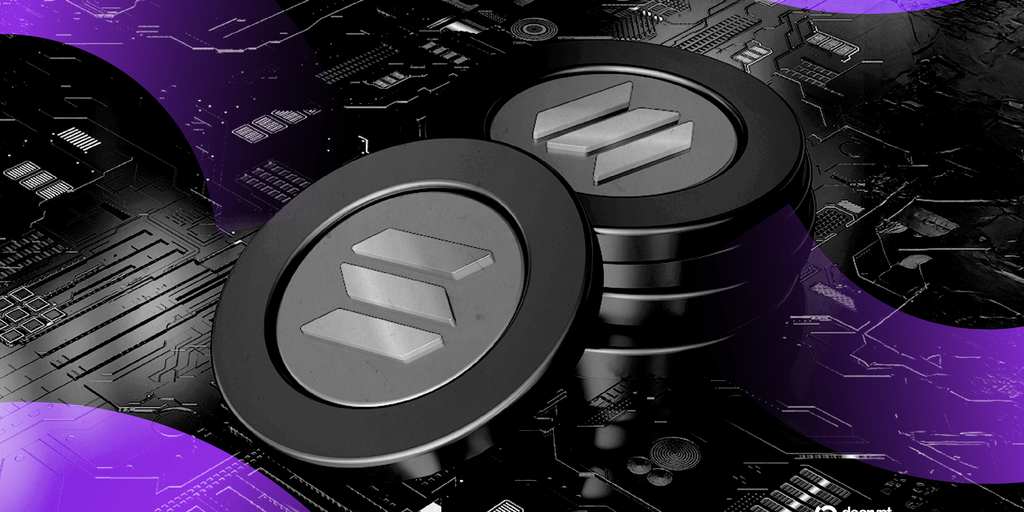
- A Solana test network ran about 90 percent slower with quantum-resistant signatures.
- Post-quantum digital signatures take up far more space than current keys, reducing block capacity.
- Accounts and wallets still using older keys could remain vulnerable after a network upgrade.
Why it matters
Blockchains rely on cryptography for consensus and transaction authorization, meaning a transition to quantum resistance requires careful coordination across decentralized networks to avoid security gaps.
Price context · SOL
At publication
$73.08
Now
$72.84
Change since
−0.33%
7 days · dashed line = publication
Sources · 2 publishers
Decrypt
Tier 1
Quantum Upgrade Could Be 'Particularly Challenging' for Blockchains: IOSCO
Coverage timeline
- First reported by Cointelegraph
- Also reported by Decrypt
- CryptoVideos brief published
How this page is checked. AI drafted this brief from selected independent reports. Automated checks compare numbers, source coverage and topic terms, but may miss errors. Publication and evidence refreshes run automatically. Read the linked reports for context. Report an error



 AVAX
−0.7%