Watch on YouTube·
Opens on youtube.com in a new tab. Playback here uses youtube-nocookie.com.
Summary
Darius Dale, founder of 42 Macro, looks at how Treasury yields, the bond market and liquidity affect the macro environment for BTC. He says higher rates have not yet hit the economy because of the AI capex boom. He discusses default via debasement and a Fed–Treasury Accord 2.0. He presents five paths out of the debt problem and says only three are acceptable. On risk management and asset allocation, he explains why he does not hold bonds. He frames BTC as a different exposure from stocks and gold and discusses its role in portfolio construction. He also addresses where bond yields reach fair value. His BTC outlook focuses on near-term chop linked to a decline in funding liquidity. He places the 2027 liquidity case at the center of the longer-term picture and refers to a 12 to 18 month horizon for BTC. He ties the "wealth pump" to money in politics. He calls AI too big to fail and describes what an AI bust would look like. The macro backdrop also includes a K-shaped economy, rate hikes, the debasement trade, David Zervos and Scott Bessent. Dale also talks about running for office, why he is not a socialist, and Jackie Robinson.
This AI summary uses the title, description and tags. It may miss context from the full video. How summaries are checked
Key points
Darius Dale is the founder of 42 Macro.
He says higher rates have not yet hit the economy because of the AI capex boom.
He discusses default via debasement and a Fed–Treasury Accord 2.0.
He outlines five paths out of the debt problem and says only three are acceptable.
He links near-term BTC chop to a decline in funding liquidity.
He connects the "wealth pump" to money in politics and calls AI too big to fail.
Chapters
Chapters come from the timestamps in the video description.
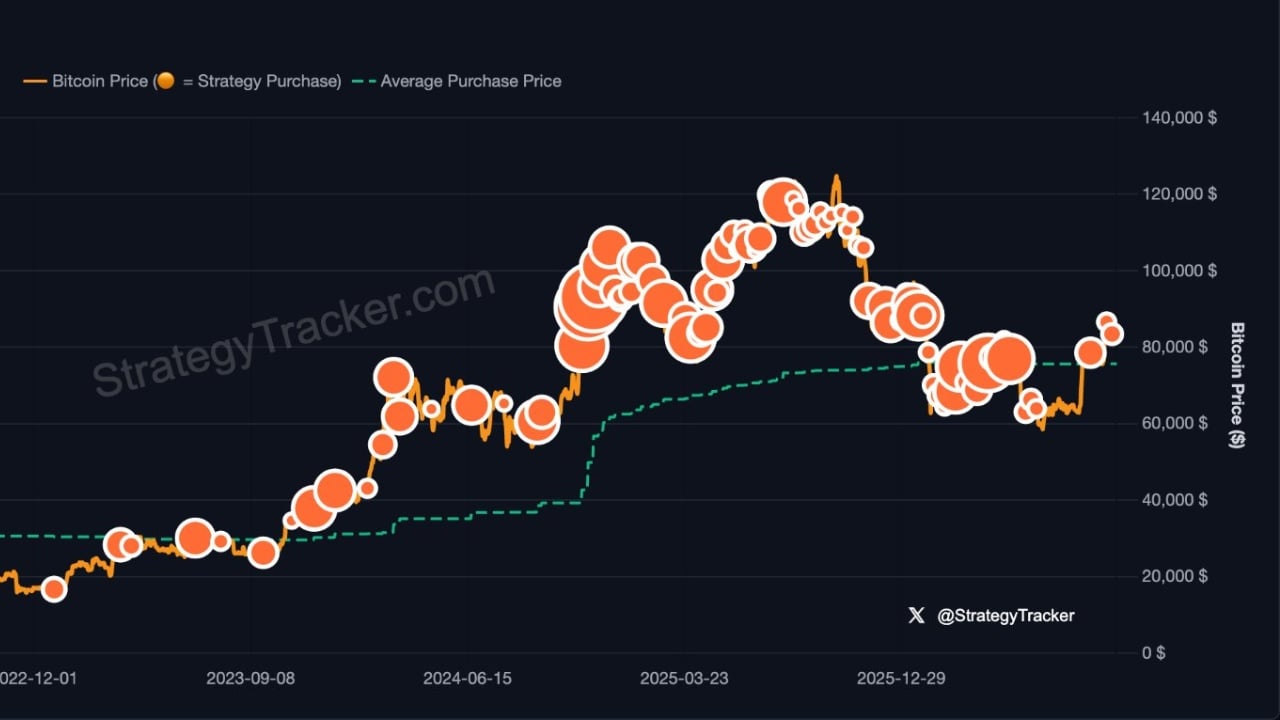
Bitcoin outperformed stocks and gold heading into the fourth quarter. One report said BTC gained roughly 7% in September, while another put the monthly close at 6.33%. Gold fell more than 6% and the S&P 500 barely moved.